


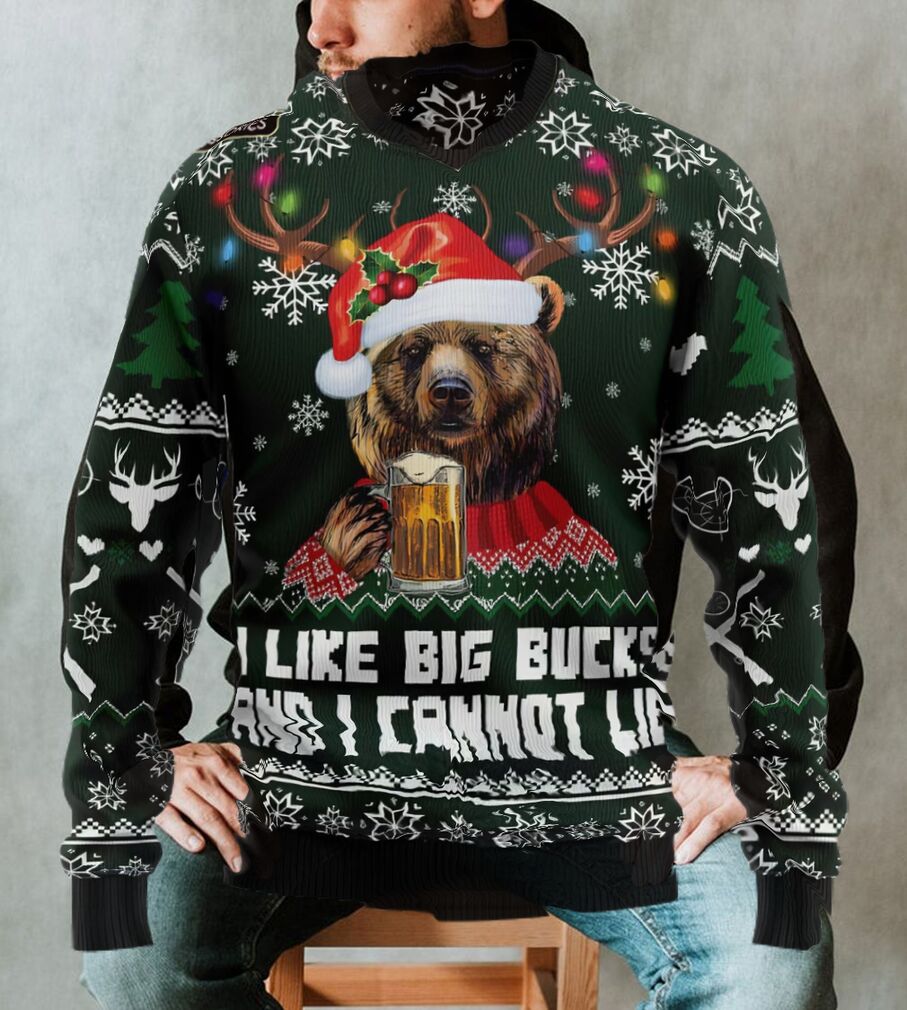
Bear Hunting and Beer Christmas Ugly Christmas Sweater, Xmas Sweatshirt
Original price was: $49.99.$39.99Current price is: $39.99.
Bear Hunting and Beer Christmas Ugly Christmas Sweater, Xmas Sweatshirt
Bear Hunting and Beer Christmas Ugly Christmas Sweater, Xmas Sweatshirt
It’s not looking very realistic. While any possibilities exist, their likelihood will continue to shrink. W value has plummeted off the Bear Hunting and Beer Christmas Ugly Christmas Sweater, Xmas Sweatshirt, and as far as we can see, they think that doing anything for a Man is “manipulation”, “enBear Hunting and Beer Christmas Ugly Christmas Sweater, Xmas Sweatshirtment” and “toxic manipulation” yet somehow they still want relationships and someone who pays their bills, while literally giving nothing to offer in return. Modern “W” are not exciting, they don’t like peace and calm, they are nags, ungrateful, have horrible personalities and for that matter, no personality. They are not delighted to see us. Even animals at least are entertaining and fun to watch while not giving anything back when you feed them. Modern W are not. Most of them are horrible brats to deal with and will destroy your life.
()What I am saying there, in line with the general consensus of Bear Hunting and Beer Christmas Ugly Christmas Sweater, Xmas Sweatshirt , is that the magi of Bethlehem did not really exist. There was no star of Bethlehem, which is why it was never reported outside this Gospel. The author wanted to achieve two things: i) to show that even the priests of that great religion would want to worship Jesus; ii) provide a reason for Herod to seek to kill all the infant boys, so that he could draw a parallel between Herod and the Old Testament pharaoh who sought to kill all the infant boys, and therefore a parallel between Jesus and Moses. You do not find non-Christian information about the magi of Bethlehem because there is none.
Bear Hunting and Beer Christmas Ugly Christmas Sweater, Xmas Sweatshirt, Hoodie, Sweater, Vneck, Unisex and T-shirt
Best Bear Hunting and Beer Christmas Ugly Christmas Sweater, Xmas Sweatshirt
I remember a Bear Hunting and Beer Christmas Ugly Christmas Sweater, Xmas Sweatshirt memoir — Beasts, Men, and Gods — by Ferdinand Ossendowski, a White Pole who fled the Bolshevik revolution through Siberia. He served in General Kolchak’s All-Russian Government before escaping through the Steppes north of Mongolia, and then participated in the government of that most notorious adventurer, the “Mad Baron” Ungern-Sternberg, who attempted to take over Mongolia to restore an imperial Khaganate as part of an imagined reactionary restoration of the Great Mongol, Chinese, and Russian monarchies in the interests of the “warrior races” of Germans and Mongols (a Baltic German, he considered the old Russian ruling class to represent Germandom over and against Jews and Slavs). Some of the things – the acts of desperation and madness, in which he himself was no disinterested observer – Ossendowski relates are harrowing. But this part struck me as very much making a point about what people think of the Steppe peoples, and of what (German-trained) nationalists like Ungern-Sternberg did (and would do again) to the Mongols. And, other things:
This Flowers having a Weird Mom builds character Xmas Day T-shirt, hoodie, sweater, tank top, long sleeve, and V-neck t-shirt is a made-to-order product, It is designed by TeeJeep LLC. This is a limited edition product was made in the USA.
Brand: TeeJeep Clothing LLC, Inc. - An online fashion company in the USA
At TeeJeep LLC, we have provided quality T-shirts that are sure to make you feel comfortable and cool even in the scorching heat or cold weather. We also seek to provide our customers with the highest level of customer service possible by adhering to customer satisfaction policies and an open communication style. T-SHIRT FEATURES: - High quality 100% Soft cotton (fiber content may vary for different colors) UNISEX shirt. HOODIE and SWEATSHIRTS FEATURES: - 50% Cotton; 50% Polyester (fibre content may vary for different colors) - IMPORTANT: Runs true to size. Are buyers responsibility to consult the size chart before placing the order. - The design is printed on the t-shirt with a digital printer. - If you want to CUSTOMIZE more this product, please send me a message. CARE: - Machine wash, with cold water, and inside out - Tumble dry on low or hang to dry - DO not iron directly on the design ♥ HOW TO ORDER T-SHIRT, HOODIE, SWEATSHIRT , LONGSLEEVE